

Why Volunteerism is Africa’s Secret Development Strength
Share on social media


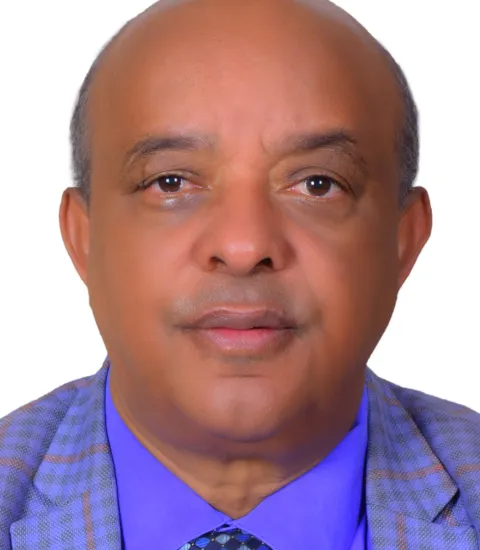
Dr. Meshesha Shewarega is the Coordinator of the AU Continental Volunteer Linkage Platform. He contributes evidence-based insights to the State of African Volunteerism Report, advancing dialogue on the role of volunteer action in sustainable development and social transformation across the continent.
The 2026 State of the World’s Volunteerism Report: Volunteerism and Its Measurements arrives at a crucial time for Africa. This is not just another report to set aside; it marks a real shift in how we recognize the people who drive our progress. The 2026 SWVR puts things into perspective: every month 2.1 billion people, or one out of every three working-age adults, are out there volunteering. Africa plays a major role in this movement. For the first time, we can clearly see the scale of volunteering here: Africa has about 539 million volunteers, which is more than half of our working-age population. With a participation rate of 58.5%, Africa records the highest rate globally, reminding us that mutual aid is simply how communities look out for each other and get things done.
By focusing on accurate measurement of volunteer work instead of general statements, the report encourages us to reexamine how we view power, participation, and development. For those who support local action, it builds on the African Union Commission’s first State of Volunteerism in Africa Report. It signals a real shift: volunteerism is moving from being overlooked to becoming a key part of evidence-based planning.
Moving Beyond 'Free Labor’: The True Value of Local Action
From what I have seen across Africa, volunteerism is so common that it often goes unnoticed. Communities organize, help, and get things done every day without calling it “volunteering.” This shows our strong social bonds, but it also means that policymakers and development partners often miss the true scale and value of these efforts.
We now have evidence that allows us to move beyond seeing volunteering as just "free labor" or charity. Volunteerism is a powerful tool that improves services, brings people together, and helps in times of crisis. With challenges like youth unemployment and climate shocks, Africa cannot afford to ignore this valuable resource.
The Power of the "Informal" in Practice
One of the most striking findings of the State of Africa Volunteerism Report is the scale of informal, community-led action. Most volunteering in Africa happens outside formal institutions. It is woven into faith-based groups, youth collectives, and traditional mutual-aid systems. I have seen volunteers acting as first responders during crises. They remain long after external actors withdraw, helping to build trust between institutions and marginalized communities and ensuring that support is rooted in local culture and ownership.
What is even more inspiring is who is leading this charge. The State of the Africa Volunteerism Report shows that young people and women, are the driving force here, representing 74% and 50.5% of the sector. For them, volunteering is a path to feeling empowered and building leadership skills. When we support these efforts the right way, they don't just replace public services—they strengthen the very fabric of our work and community life.
One Message to Take — And One Action to Inspire
Volunteerism is essential in Africa, but it is often misunderstood because most efforts are informal. Too often, it is seen only as an inexpensive way to provide services, without enough investment in fair and ethical support. As Africa moves toward Agenda 2063 and the Sustainable Development Goals, volunteerism will remain a key driver of inclusive and resilient development that puts people first.
If there is one core message, I hope readers take away, it is this: volunteerism is not an afterthought in Africa’s development; it is a strategic asset that strengthens communities and advances inclusive progress. To make this clear in action, we must recognize volunteerism as a vital public good and concentrate on four key areas:
Make it Official: National development plans must explicitly recognize what volunteers contribute to the country.
Protect the People: Ensure volunteers have safe environments, proper recognition, and pathways to decent work.
Count the Impact: Invest in better data so that volunteerism is no longer invisible in budgeting and planning.
Partner: Involve volunteers in the actual design of programs, building partnerships that respect the power and knowledge of the community.
Africa’s future depends on us valuing the millions of hands already doing the work. By seeing this effort clearly and supporting it fully, we can finally unlock the continent's true development potential.