














What does the evidence say?
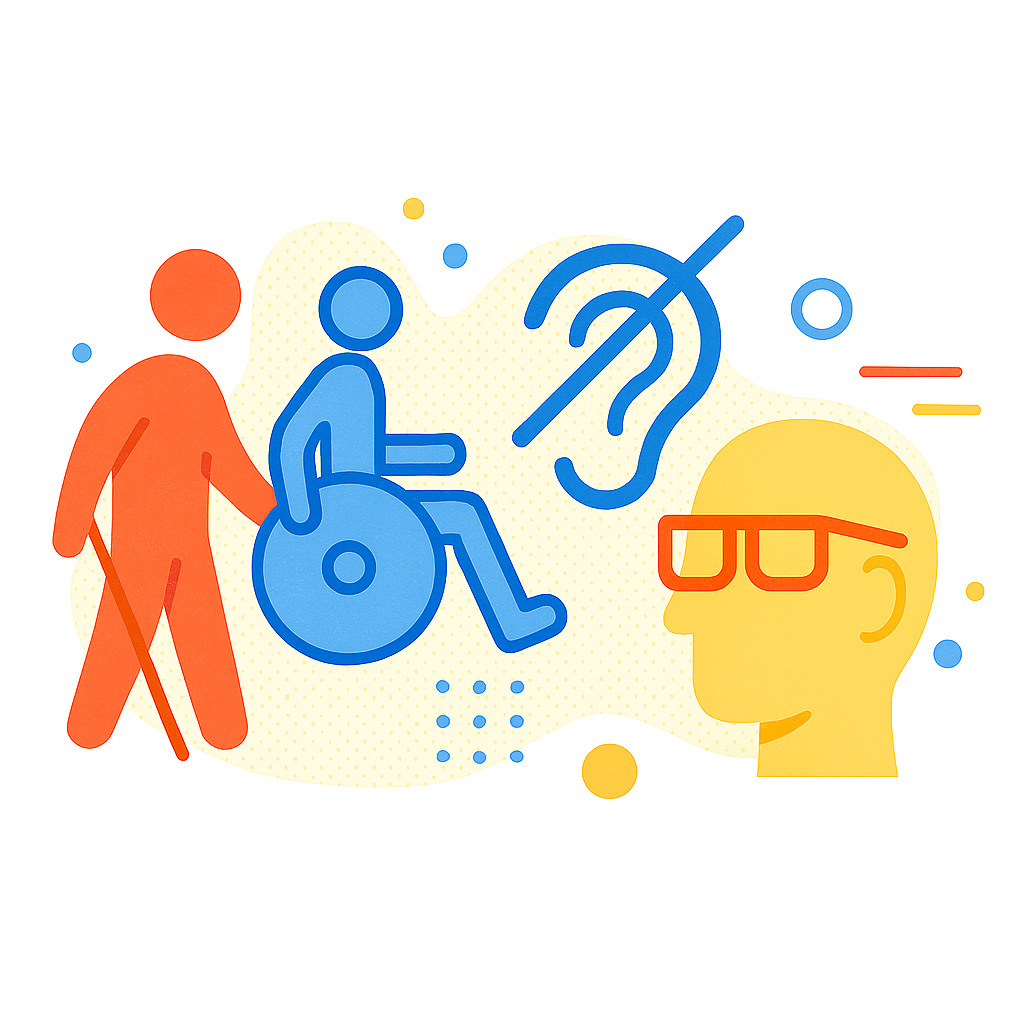
Inclusive volunteering creates meaningful opportunities for people with disabilities while strengthening communities. Research highlights a wide range of benefits for both participants and society.
Benefits for participants:
- Personal Growth: Volunteers with disabilities often report increased self-confidence, independence, and life satisfaction.
- Skill Development: Volunteering offers chances to build new skills, enhance communication, and gain valuable work experience.
- Social Inclusion: Inclusive volunteering helps reduce isolation, foster friendships, and promote a strong sense of belonging.
Benefits for the community:
- Diversity and Social Cohesion: Inclusive programs reflect the richness of society and promote unity across different backgrounds and abilities.
- Empathy and Awareness: Engaging with volunteers of all abilities fosters understanding, compassion, and respect among staff and peers.
- Stronger Civic Engagement: Communities become more cohesive and resilient when everyone can contribute (Miller et al. 2002).