












Fast read
- Inclusive volunteering remains a relatively underexplored and under-researched field, especially in Portugal. Despite its growing importance, few empirical studies have addressed this critical area. At a time when organisations seek greater resilience and sustainability, inclusive volunteering offers a transformative tool that promotes diversity, engagement, and stronger community ties, thereby enhancing the social impact of these organisations. The theoretical framework of this paper conceptualizes inclusive volunteering as a multifaceted and strategic pathway to civic engagement, particularly for marginalized groups such as PwD
Synthesis
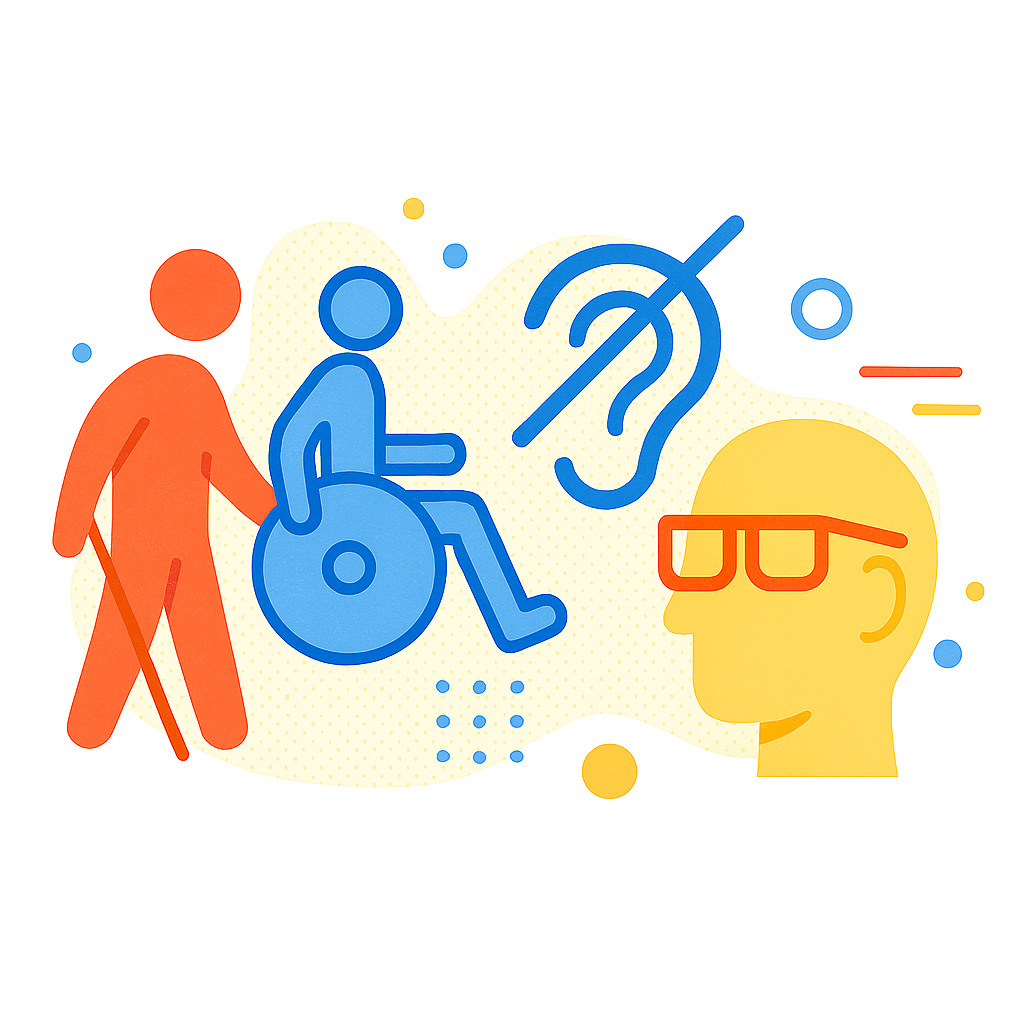
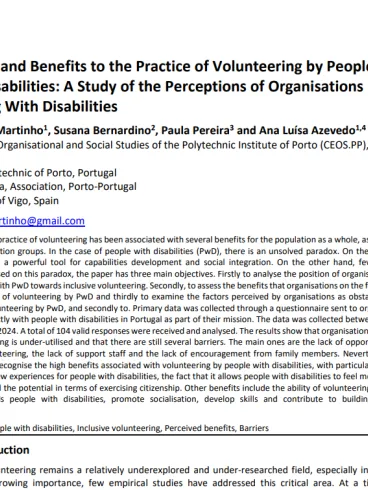
The practice of volunteering has been associated with several benefits for the population as a whole, as well as for specific population groups. In the case of people with disabilities (PwD), there is an unsolved paradox. On the one hand, volunteering is a powerful tool for capabilities development and social integration. On the other hand, few PwD are volunteers. Based on this paradox, the paper has three main objectives. Firstly to analyse the position of organisations that work directly with PwD towards inclusive volunteering. Secondly, to assess the benefits that organisations on the filed ascribe to the practice of volunteering by PwD and thirdly to examine the factors perceived by organisations as obstacles to the practice of volunteering by PwD, and secondly to. Primary data was collected through a questionnaire sent to organisations that work directly with people with disabilities in Portugal as part of their mission. The data was collected between 28 June and 6 October 2024. A total of 104 valid responses were received and analysed. The results show that organisations recognise that volunteering is under-utilised and that there are still several barriers. The main ones are the lack of opportunities for inclusive volunteering, the lack of support staff and the lack of encouragement from family members. Nevertheless, the organisations recognise the high benefits associated with volunteering by people with disabilities, with particular emphasis on access to new experiences for people with disabilities, the fact that it allows people with disabilities to feel more fulfilled and useful, and the potential in terms of exercising citizenship. Other benefits include the ability of volunteering to reduce stigma towards people with disabilities, promote socialisation, develop skills and contribute to building inclusive communities