

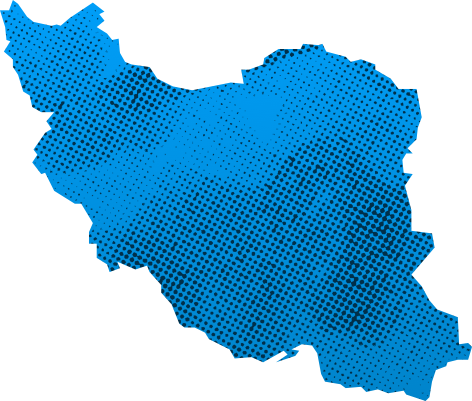
Volunteer statistics (ILO)*
Source: ILOSTATS. The data is collected by ILO from national statistical offices. As national statistics on volunteer work are produced using a variety of approaches and tools, direct and cross-country comparisons are not recommended. For more information, visit https://ilostat.ilo.org/topics/volunteer-work/
No data
Measurement work
Data source
- 2007
- 2008
-
2009
- Time Use Survey
- 2010
- 2011
- 2012
- 2013
- 2014
- 2015
- 2016
- 2017
- 2018
- 2019
- 2020
- 2021
- 2022
- 2023
- 2024
- 2025
- 2026
Laws, Policies, Schemes on Volunteering
Does the country have a piece of legislation on volunteering?
No data
Does the country have a national policy, scheme, plan or strategy specific to volunteering?
No data
Does the country have a sectoral and cross-sectoral policy, scheme, plan or strategy that mentions volunteering?
Yes
| Name of specific policy, strategy or plan on volunteering at the national level. | Year created | Source link | What are the relevant SDG areas/crosscutting themes of the policy, plan scheme or strategy? |
|---|---|---|---|
| National Disaster Management Strategy of Islamic Republic of Iran | 2021 | View source |  |
VNR Reporting
Iraq
View sourceParagraph 1, page 124
Ethical Investment. "Iraq's First Social Mission". Social Work Institutions, Volunteers and the Environment. Social institutions operate in sectors such as education, health, and human resources, as well as local community-based organizations. Most of them participate in skills development or support groups that promote learning and literacy. These groups are often targeted at vulnerable and disadvantaged groups such as children, youth, women, and the elderly. Social institutions in Iraq are enhancing the opportunities for innovation, as they believe that innovation increases the effectiveness of their institutions, allowing them to serve a wider range of beneficiaries and provide better-quality services. By providing better services to both, innovation has allowed them to achieve better development roles than other organizations and work with less cost. Most social institutions expect to attract more beneficiaries, launch new quality services, and add new ones.
No mention